 |
|
| |
|
 |
 |

An inquiry-driven undergraduate curriculum.
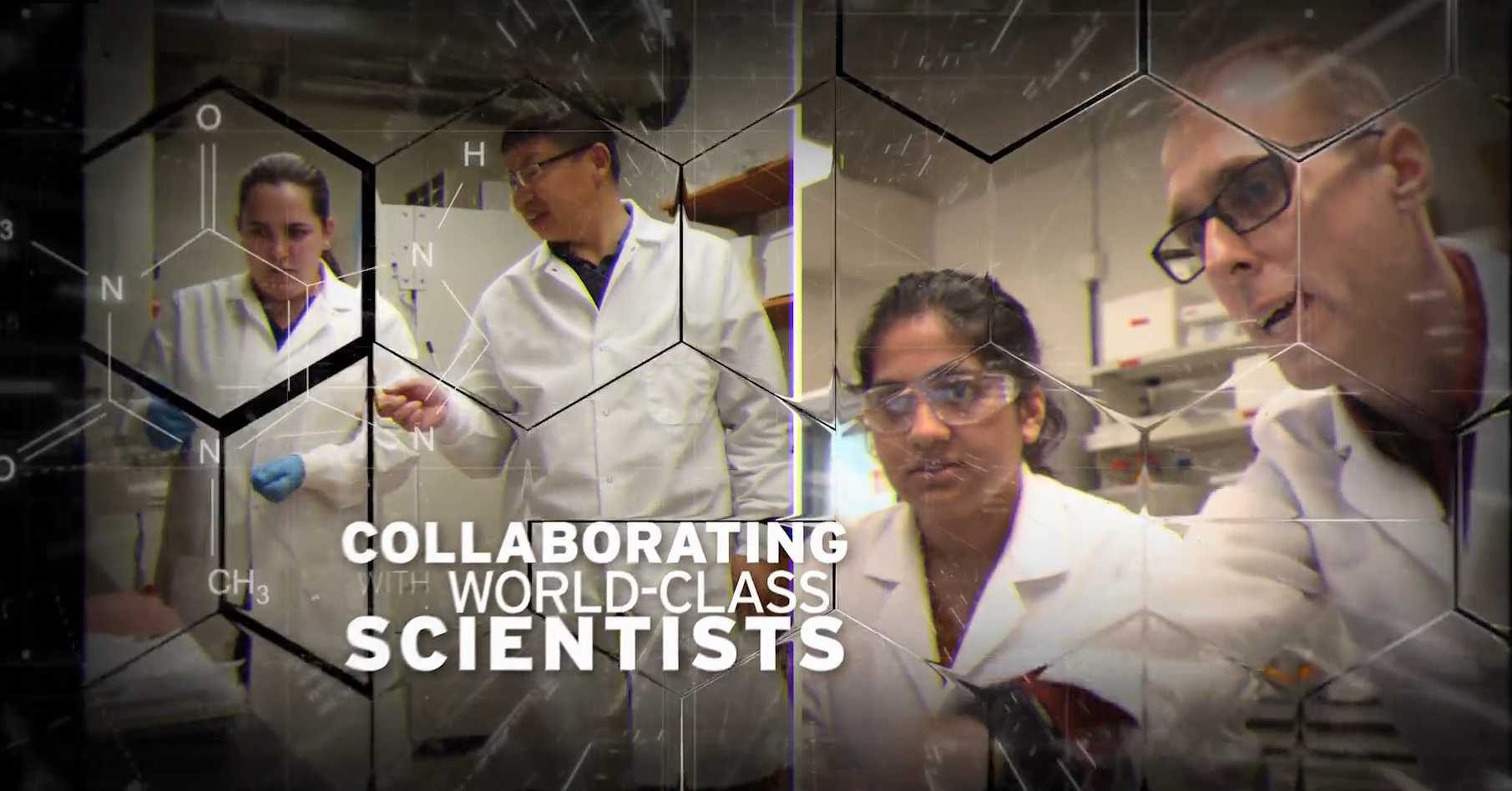
Stellar faculty, staff
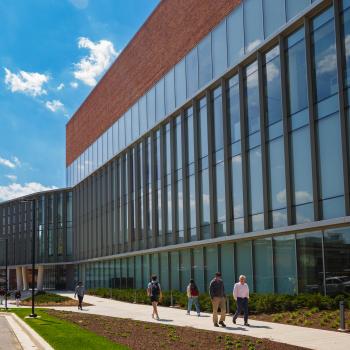
and students. Expanding facilities. Collaborations with nearby
institutions. The Department of Chemistry and Biochemistry in the
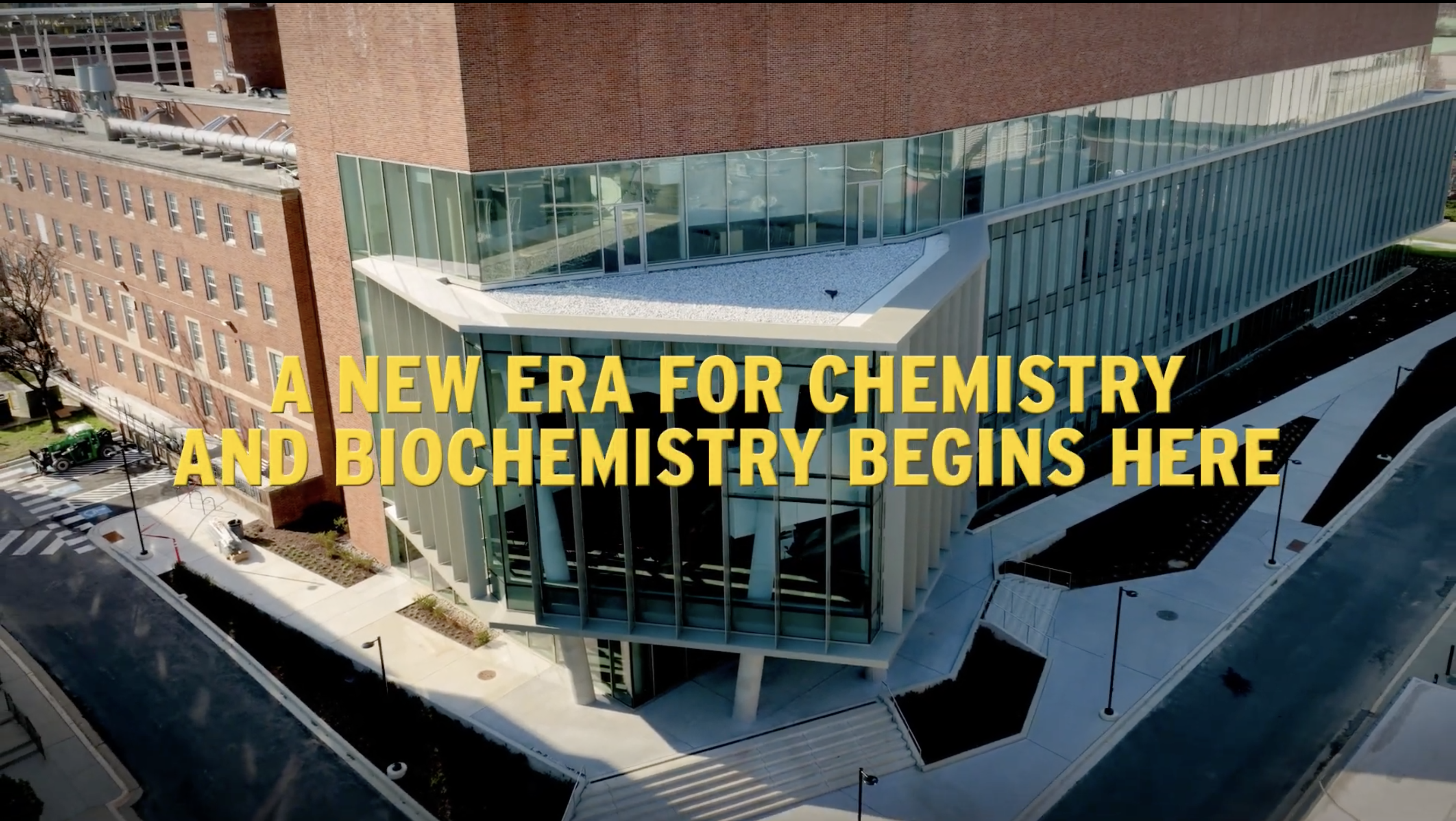
College of Chemical and Life Sciences at the University of Maryland is gaining momentum. |
| |
![]() |
|
|
 |
|
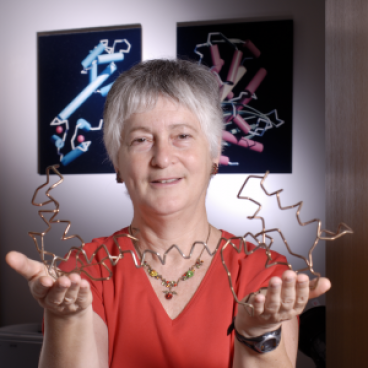
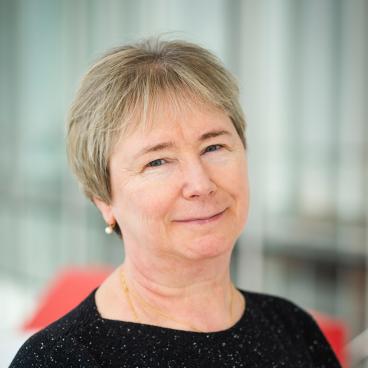
Dr. Marjorie Gardner was devoted to the teaching of science throughout her life. Beginning as a high school teacher in Utah, she was instructor in chemistry and science education at Ohio State University before coming to the University of Maryland in 1964 as professor of chemistry and secondary education. She established her reputation as a crusader for science education while at Maryland and in 1984 accepted the position of Director of the Lawrence Hall of Science at Berkeley. |
|
| |
| |
![]() |
| |
 |
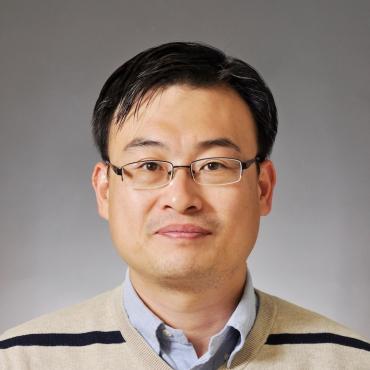
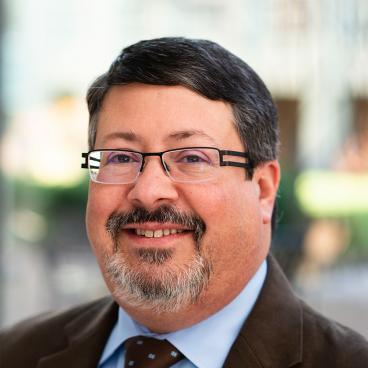
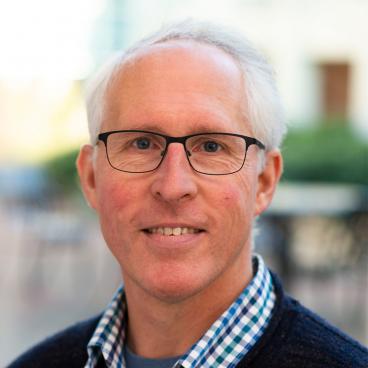
Dr. Ashton Cropp
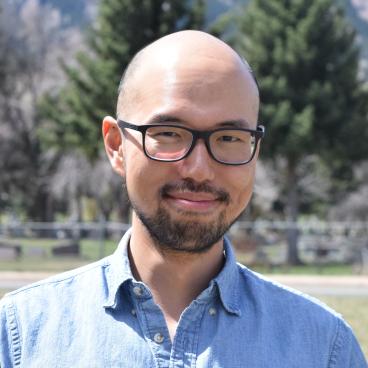
The recipient of a Ruth L. Kirschstein National Research Service Award, Dr. Cropp was previously a postdoctoral researcher at the Scripps Research Institute, where he developed a genetic selection system for evolving the substrate specificity of aminoacyl-tRNA synthetases. Dr. Cropp studies combinatorial design of natural products biosynthesis, bioorganic chemistry, protein engineering, and synthetic biology. He received his PhD in Medicinal Chemistry from Virginia Commonwealth University |
 |
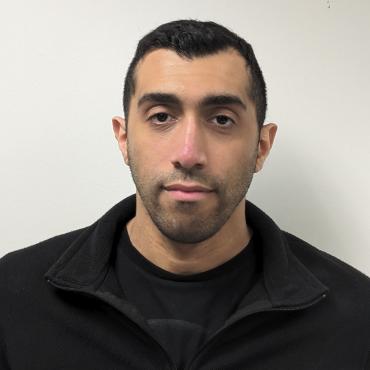
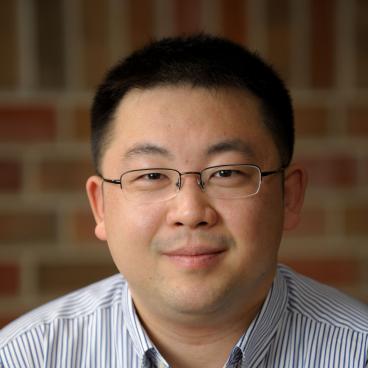
Dr. Vitali Tugarinov
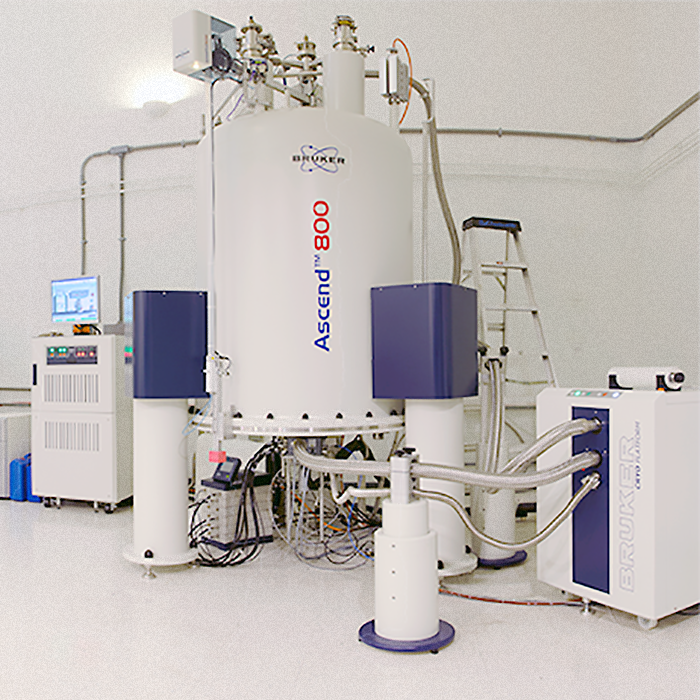
Dr. Tugarinov joined the Department after six years of postdoctoral work in the group of Prof. L.E. Kay in the
University of Toronto, Canada. Dr. Tugarinov’s experience in high-field protein nuclear magnetic resonance
spectroscopy (NMR) spans more than 12 years. He develops new and applies existing NMR methods for solution
studies of structure and dynamics of high-molecular-weight proteins. Another area of his research involves the
development of novel methods for selective isotope labeling of large proteins for NMR applications. Dr. Tugarinov
received his Ph.D. from the Faculty of Chemistry of the Weizmann Institute of Science, Israel, and was a
recipient of the Human Frontiers Science Program (HFSP) Long-Term Fellowship in 2001-2004. He has been a
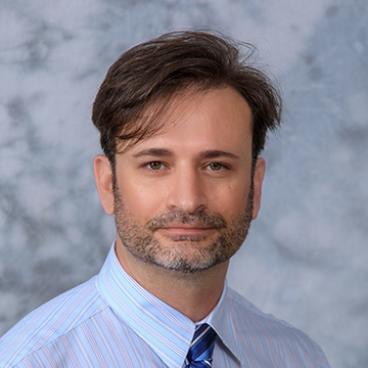
regular contributor to the NMR section of the Journal of American Chemical Society in the last 5 years. |
 |
Dr. John Ondov
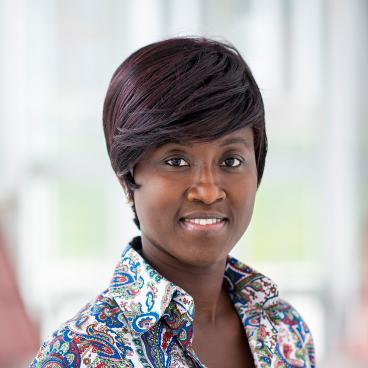
Dr. Ondov has 30 years experience in the conduct of multidiciplinary projects for the U.S. DOE Lawrence Livermore National Laboratory(LLNL), Martin Marietta Corporation, and the University of Maryland. While at LLNL, Ondov was regarded as DOE’s top expert on emissions from fossil fueled power plants and advanced fossil-energy technologies. He along with Dr. William Kelly pioneered the development of extremely sensitive enriched rare-earth isotopic tracer techniques for use in source attribution and studies of aerosol particles over transport distances of 100s of km. He has conducted numerous receptor modeling studies using intentional tracers and tracers of opportunity, including studies to determine the sources and fluxes of toxic substances depositing onto surface waters of Lake Michigan and the Chesapeake Bay. Ondov’s group developed hundreds of highly-resolved size spectra for >20 elemental constituents of urban, industrial, and rural environments and successfully used them to apportion PM and elemental constituents by particle size and by source. This work led to development of an improved paradigm for the ambient submicrometer aerosol in which the focus is on primary particles carrying toxic substances emitted from anthropogenic high-temperature combustion sources. |
| *Other members of our outstanding faculty will be featured here periodically |
|
|
|
|